Livestock farming in linked chains associated with slaughtering and product consumption delivers practical results by helping to effectively control both input and output sources of products. This is a trend that many households, farms, and businesses are pursuing in order to ensure sustainability, increase product value, and secure stable outlets.
INCREASING ECONOMIC EFFICIENCY
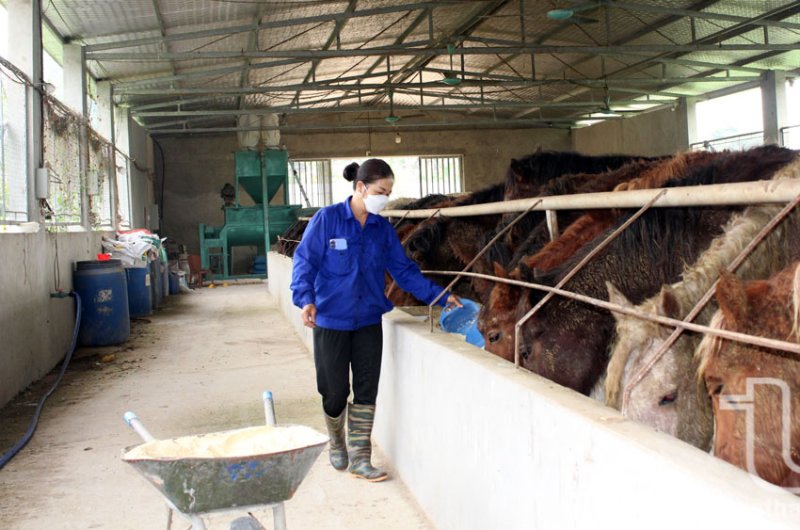
In practice, livestock farming in linked chains has proven to bring significantly higher economic efficiency than traditional farming. This model not only ensures a supply of breeding stock and safe biosecurity farming processes, but also helps farmers more easily access science and technology, enhance competitiveness, and better meet market demand.
DEVELOPING A SYNCHRONIZED LINKED CHAIN
Over the past 5 years, Thai Nguyen’s agricultural sector has implemented many support policies for livestock farming in linked chains. In 2024, the province supported the development of one linked chain for pork and chicken products in Phu Luong district, establishing a consumption network at markets, supermarkets, restaurants, and collective kitchens.
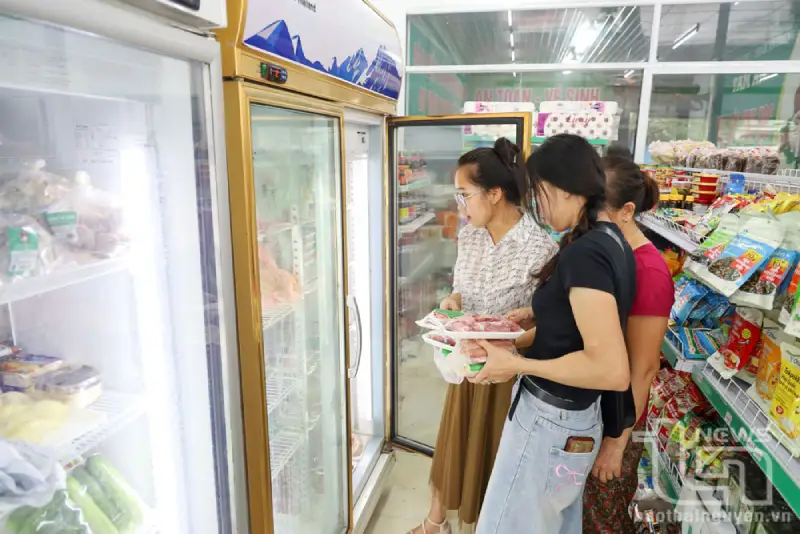
In addition, the province has also developed a livestock management database system, directly connecting businesses with livestock households, supporting product traceability, and enhancing transparency in the supply chain.
DIFFICULTIES AND SOLUTIONS
Although it has brought many benefits, linked livestock farming still faces numerous challenges:
- The linkage is not yet sustainable, with the risk of contract breaches when market live-weight meat prices rise sharply.
- The consumption market is unstable, and safe livestock products must compete with goods of unclear origin.
- Production costs are high, and linked-chain livestock farming is not yet closely aligned with export demand.
To overcome these limitations, support policies for businesses and farms need to be strengthened, with increased investment in post-harvest processing, financial support, and land funds, helping livestock farmers and businesses feel secure in developing sustainably.
Tung Lam
Source: Thai Nguyen Newspaper